















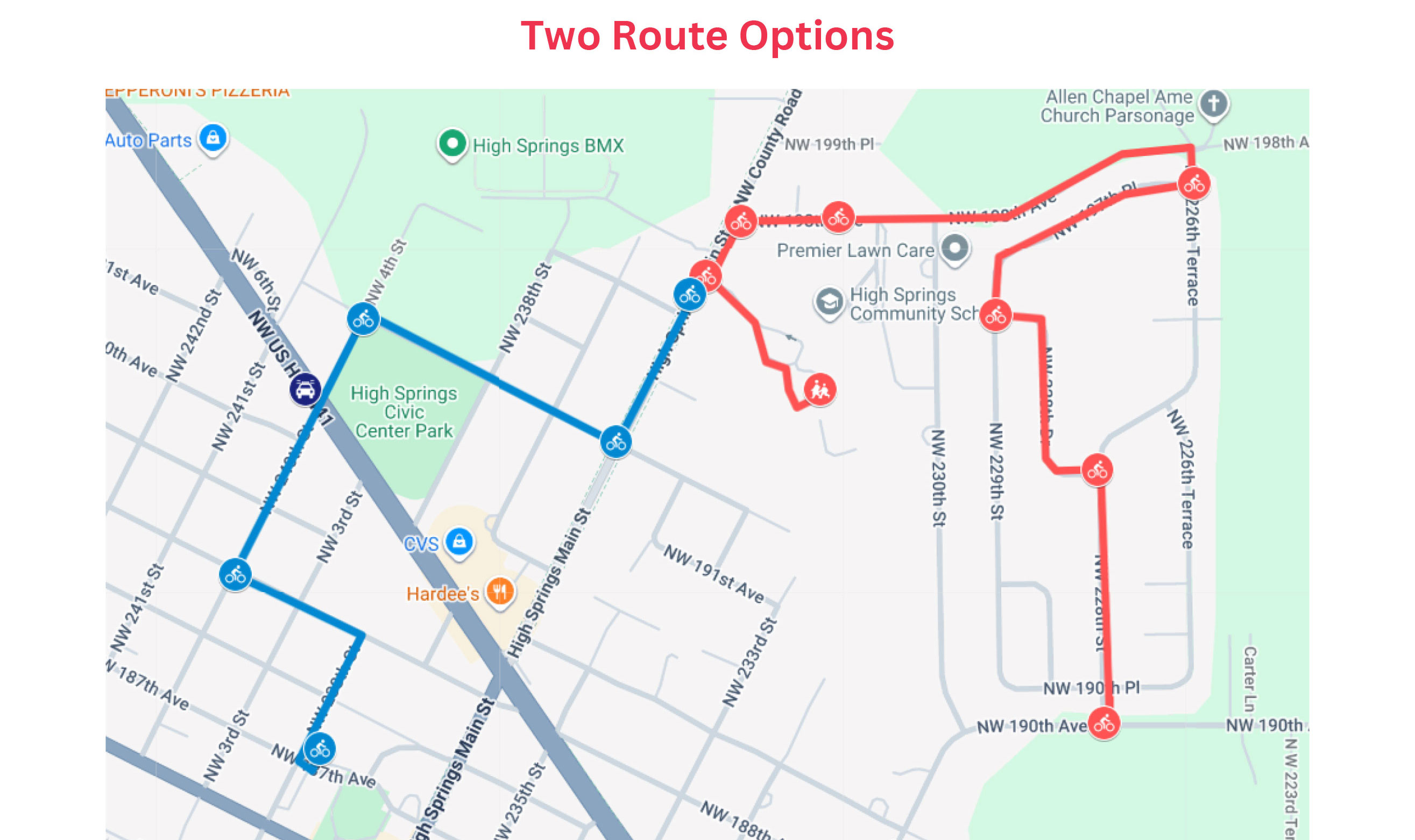
 HIGH SPRINGS – Students at High Springs Community School will have a new way to get to campus next month as part of a nationwide effort to promote bicycle safety and healthy activity.
 Lieberman received the first David J. Krings County Administrator of the Year Award from the National Association of County Administrators, which honors exceptional service, ethical leadership and contributions to county government.


Neuropathy is essentially a “glitch” in your body’s electrical system. It occurs when nerves — usually the peripheral nerves outside of your brain and spinal cord — become damaged or destroyed.
Instead of sending clear signals to your brain, these damaged nerves might send “phantom” pain signals, or stop sending signals altogether. It often feels like tingling, burning, or a numb “pins and needles” sensation, typically starting in the hands or feet.Common Medications for Neuropathy
Treating neuropathy is usually a two-front war: managing the pain and addressing the underlying cause (like diabetes or vitamin deficiencies). Because “normal” painkillers like ibuprofen often don't touch nerve pain, doctors usually turn to these categories:
Anticonvulsants (Seizure Meds)
These are often the first line of defense. They work by "calming down" the overactive nerve cells that are firing off pain signals.
- Gabapentin (Neurontin): Very common; helps dampen the intensity of nerve firing.
- Pregabalin (Lyrica): Similar to Gabapentin but often works faster and is more easily absorbed.
Antidepressants
You don't have to be depressed to take these for neuropathy. They interfere with the chemical processes in your brain and spinal cord that cause you to feel pain.
- SNRIs (e.g., Duloxetine/Cymbalta): Often used for diabetic neuropathy.
- Tricyclic Antidepressants (e.g., Amitriptyline): Older meds that are very effective for nerve pain, though they can cause drowsiness.
Topical Treatments
If the pain is localized to a specific spot, sometimes it's better to treat the skin directly rather than taking a pill.
- Lidocaine Patches: Numb the area temporarily.
- Capsaicin Cream: Derived from chili peppers; it can actually “exhaust” the pain messengers in your nerves, though it might sting at first.
Pain Relievers
- OTC Meds: Acetaminophen or NSAIDs (Advil/Aleve) might help with mild symptoms but are generally less effective for deep nerve damage.
- Opioids: Generally considered a last resort due to the risk of addiction and the fact that they aren't always effective for chronic nerve pain.
Prosper and be in health.
William Garst is a consultant pharmacist who lives in Alachua, Florida. He is semi-retired and works part time at Lake Butler Hospital in Lake Butler, Florida. William received his pharmacy degree at Auburn University and a Doctor of Pharmacy from Colorado University. The Pharmacy Newsletter is a blog where you can find other informative columns. He may be contacted at garstcph@gmail.com.
# # #
Email editor@
alachuatoday.com
Neuropathy is essentially a “glitch” in your body’s electrical system. It occurs when nerves — usually the peripheral nerves outside of your brain and spinal cord — become damaged or destroyed.

Instead of sending clear signals to your brain, these damaged nerves might send “phantom” pain signals, or stop sending signals altogether. It often feels like tingling, burning, or a numb “pins and needles” sensation, typically starting in the hands or feet.
Common Medications for Neuropathy
Treating neuropathy is usually a two-front war: managing the pain and addressing the underlying cause (like diabetes or vitamin deficiencies). Because “normal” painkillers like ibuprofen often don't touch nerve pain, doctors usually turn to these categories:
Anticonvulsants (Seizure Meds)
These are often the first line of defense. They work by "calming down" the overactive nerve cells that are firing off pain signals.
- Gabapentin (Neurontin): Very common; helps dampen the intensity of nerve firing.
- Pregabalin (Lyrica): Similar to Gabapentin but often works faster and is more easily absorbed.
Antidepressants
You don't have to be depressed to take these for neuropathy. They interfere with the chemical processes in your brain and spinal cord that cause you to feel pain.
- SNRIs (e.g., Duloxetine/Cymbalta): Often used for diabetic neuropathy.
- Tricyclic Antidepressants (e.g., Amitriptyline): Older meds that are very effective for nerve pain, though they can cause drowsiness.
Topical Treatments
If the pain is localized to a specific spot, sometimes it's better to treat the skin directly rather than taking a pill.
- Lidocaine Patches: Numb the area temporarily.
- Capsaicin Cream: Derived from chili peppers; it can actually “exhaust” the pain messengers in your nerves, though it might sting at first.
Pain Relievers
- OTC Meds: Acetaminophen or NSAIDs (Advil/Aleve) might help with mild symptoms but are generally less effective for deep nerve damage.
- Opioids: Generally considered a last resort due to the risk of addiction and the fact that they aren't always effective for chronic nerve pain.
Prosper and be in health.
William Garst is a consultant pharmacist who lives in Alachua, Florida. He is semi-retired and works part time at Lake Butler Hospital in Lake Butler, Florida. William received his pharmacy degree at Auburn University and a Doctor of Pharmacy from Colorado University. The Pharmacy Newsletter is a blog where you can find other informative columns. He may be contacted at This email address is being protected from spambots. You need JavaScript enabled to view it..
# # #
Email editor@
alachuatoday.com