HAWTHORNE – On a stretch of farmland in Hawthorne, rows of seasonal crops at Frog Song Farms are doing more than supplying produce — they are helping shape what local leaders hope will become a more connected and resilient food system across Alachua County.
County officials have launched the next phase of the Fresh Food Pathways Project: Food Hub Feasibility Study, a 30-month initiative aimed at strengthening local agriculture, supporting area farmers and expanding access to locally grown food. Phase II centers on a 10-month pilot program anchored by Frog Song Farms, a working farm and food distribution operation that already connects growers to markets across Florida.
The pilot, conducted in partnership with food system consultants New Venture Advisors, is designed to test how a community-based food hub could function in Alachua County. Organizers say the effort will generate real-world data on production, distribution and market demand while building on existing infrastructure at Frog Song Farms.
A food hub serves as a centralized system that helps small and mid-sized farms aggregate, market and distribute their products to larger buyers, including schools, institutions and retailers. By coordinating those services, a hub can reduce logistical barriers that often limit local farmers’ ability to scale their operations.
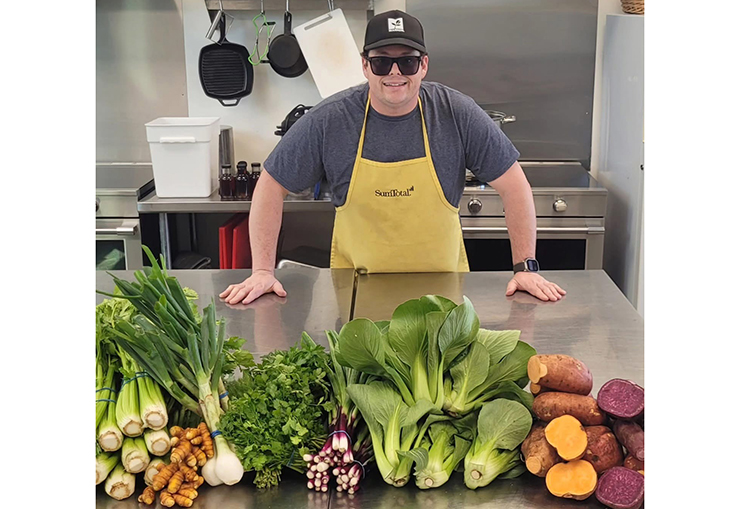
At Frog Song Farms, that model is already partially in place. The Hawthorne-based operation aggregates produce from multiple farms and distributes it to customers throughout the region. Through the pilot program, the farm will expand those efforts, working to bring more growers into a coordinated network while increasing the volume and reach of locally sourced products.
“This project allows us to expand the reach of our local food network and support more farmers throughout Alachua County,” said John Bitter, owner of Frog Song Farms. “By improving aggregation, distribution, and access, we can get more fresh, locally-grown food into schools, institutions and homes across the county.”
County officials say the initiative is intended to address multiple challenges within the local food system, including limited market access for farmers and gaps in distribution that can make it difficult for institutions to source local products at scale.
During the pilot, efforts will focus on expanding farmer participation, strengthening aggregation and distribution logistics and increasing institutional purchasing of locally grown food. One area of emphasis includes partnerships with large buyers such as Alachua County Public Schools, which could play a key role in creating consistent demand for local products.
The project will also explore ways to improve food access for residents through direct-to-consumer sales and community-based distribution partnerships, helping connect more households with fresh, locally grown food.
“Strengthening connections between local farmers, institutions and residents helps build a more resilient food system,” said Bailey McClellan, the county’s agriculture economic development coordinator. “This pilot will provide valuable insight into how a food hub could support farmers while expanding access to fresh, locally grown food.”
In addition to market expansion, the pilot includes a workforce development component. Organizers say the project will support job training in produce handling and food distribution, with the goal of creating skilled positions tied to the local food economy.
Frog Song Farms currently works with several farms across the state, and the pilot is expected to expand outreach to additional growers in Alachua County and surrounding areas. By leveraging an existing operation, county leaders hope to test the feasibility of a larger, more formalized food hub without starting from scratch.
The findings from the pilot will help determine whether a permanent food hub could be established in the county and how it might be structured to best serve farmers, institutions and residents.
# # #
Email cwalker@
alachuatoday.com










 of the most significant public health crises in modern pharmaceutical history.